

Travel insurance: Why isn't medical assistance optional?

We all dream of the perfect trip: a photo at the Eiffel Tower, sushi in Tokyo, or a stroll through Central Park. But what happens if a simple cold, a silly fall, or appendicitis strikes unexpectedly? Abroad, healthcare isn't a free right for tourists; it's a private service that can cost a fortune.
Here I explain why your passport should always be accompanied by an assistance card.
The cost of a "simple" scare: real-life examples in 2026
If you think paying $50 or $100 USD for insurance is expensive, look at what you could pay out of pocket for an emergency visit to these destinations:
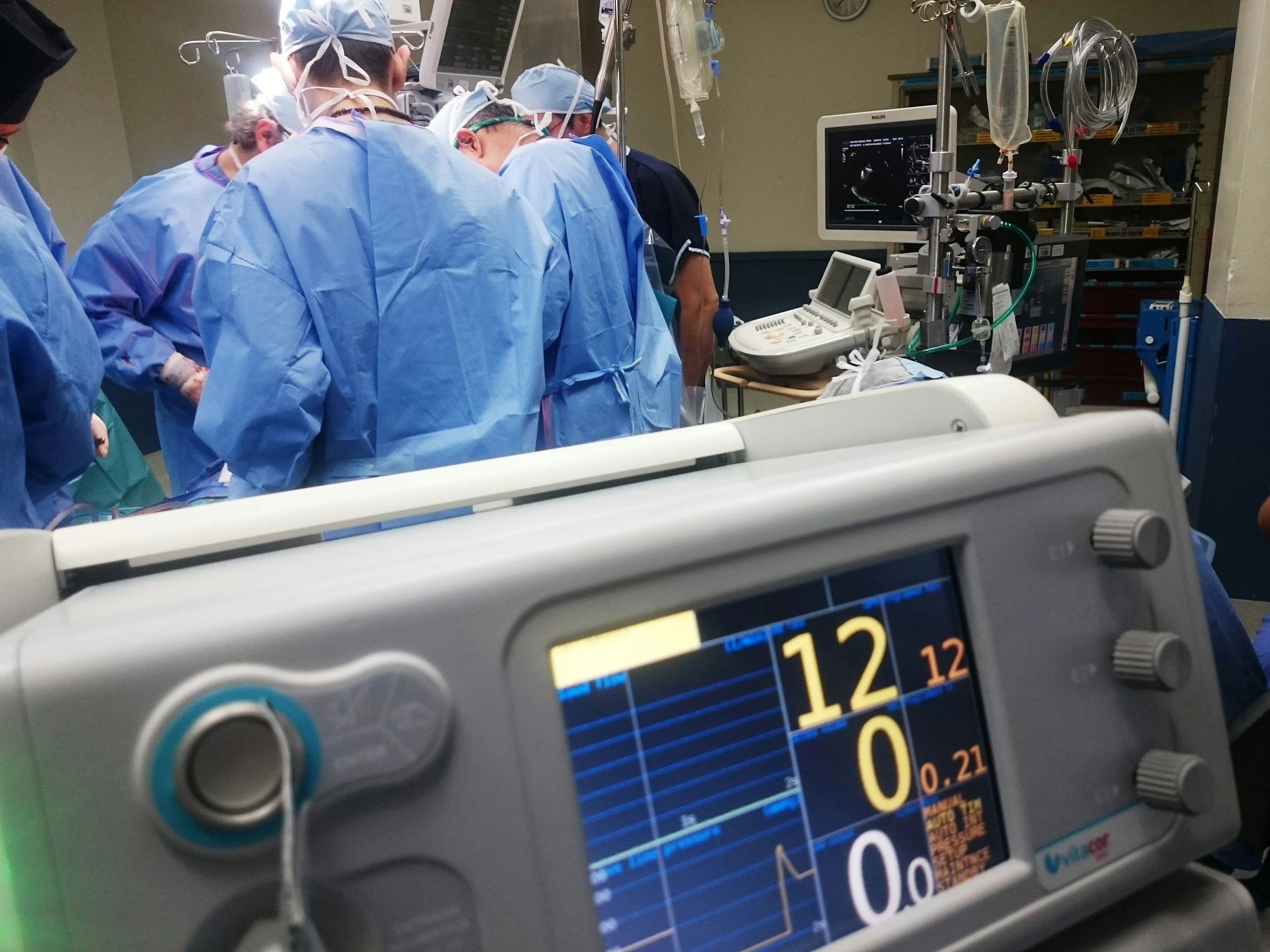
1. United States: The giant of medical costs
It's the country with the most expensive healthcare in the world. Here, going to an emergency room (ER) is like turning on a taxi meter that costs thousands of dollars.
Emergency Room admission only: Between $1,500 and $3,000 USD (for the initial evaluation only).
An x-ray and a cast for a fracture: From $5,000 to $12,000 USD .
A day of hospitalization: Can easily exceed $10,000 USD .
Appendicitis surgery: Be prepared for a bill of $30,000 to $50,000 USD .
2. Canada: Quality that costs foreigners
Although it has an enviable public system for its residents, as you well know living in Toronto, tourists pay the full fare.
Emergency Room Visit (Outpatient): Approximately $800 to $1,200 CAD (consultation only).
Hospitalization Day (Acute Care): Around $3,800 CAD per night.
Tests: An MRI can cost around $2,500 CAD .

3. Japan: Efficiency and technology
Japan has more regulated prices, but for a tourist without Japanese national insurance, the cost is still high.
Emergency consultation: Between ¥15,000 and ¥30,000 (approx. $100 - $200 USD).
A 3-day hospital stay costs around £600 / $750 USD , which seems "cheap" compared to the US, but is still a significant unexpected expense if you don't have coverage.
4. Europe (Schengen Area)
Here insurance is mandatory by law (minimum €30,000 coverage).
Emergency consultation in Spain or France: Between €100 and €500 .
Emergency surgery: From €3,000 to €8,000 in private clinics.
Beyond health: What else does your assistance cover?
Good travel insurance not only protects your body, it also protects your wallet in logistical situations:
Trip Cancellation or Interruption: If you cannot travel due to a family or health emergency, the insurance will reimburse you for the costs of non-refundable hotels and flights.
Lost Luggage: If the airline loses your suitcase, the insurance gives you compensation to buy essential items.
Medical Repatriation: This is the most important and expensive benefit. If you need to return to Peru on a medical plane with life support, the cost can reach $50,000 or $100,000 USD . The insurance fully covers this.
Legal Assistance: If you have a traffic accident or any minor legal problem abroad, you have advice included.
